Birth Plan: How To Create one.

Components of a Birth Plan:

  1. Labor Environment:
    • Specify preferences in your birth plan for lighting, music, and ambiance in the delivery room. Some may prefer a calm and quiet environment, while others may want music or dim lighting.
  2. Support Team:
    • Indicate who you want in the delivery room, whether it’s your partner, family members, or a doula like yourself. Clearly communicate your preferences for the support team.
  3. Pain Management:
    • Outline your preferences for pain relief options, such as epidural, nitrous oxide, or natural methods like breathing exercises and movement.
  4. Labor Positions:
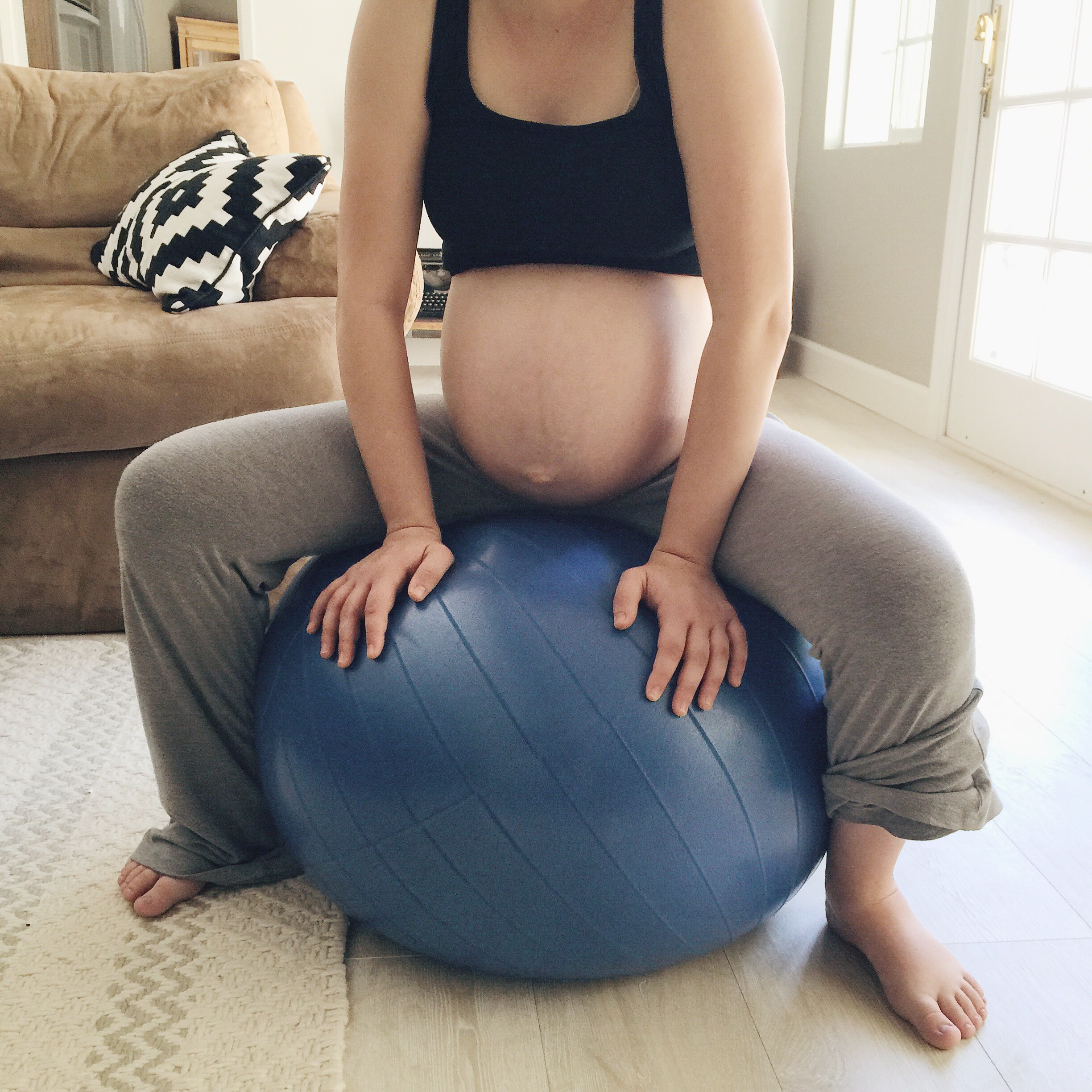
    • Express your preferred labor positions. Some women find certain positions more comfortable during contractions or when pushing.
  5. Monitoring Preferences:
    • Discuss your preferences for fetal monitoring. Some women may prefer intermittent monitoring rather than continuous monitoring.
  6. Interventions:
    • State your preferences regarding medical interventions, including induction, episiotomy, and assisted delivery methods like forceps or vacuum extraction.
  7. Cord Blood Banking:
    • If you plan to bank your baby’s cord blood, specify your wishes.
  8. Cesarean Section Preferences:
    • Outline your preferences if a cesarean section becomes necessary, including who you’d like in the operating room and your preferences for postpartum care.

Tailoring Your Birth Plan:

  1. Personalize Your Preferences:
    • Consider your unique preferences and priorities. Tailor the plan to reflect your specific desires for the birth experience.
  2. Be Flexible:
    • Understand that childbirth is unpredictable. Be open to adjustments in your birth plan based on medical necessity or unforeseen circumstances.
  3. Discuss with Your Healthcare Provider:
    • Review with your healthcare provider during prenatal visits. Ensure that your preferences align with the policies and practices of the birthing facility.
  4. Communicate Clearly:
    • Use clear and concise language. Avoid jargon and communicate your preferences in a straightforward manner.
  5. Share with Your Support Team:
    • Provide copies of your birth plan to your healthcare provider and support team well in advance of your due date. This helps everyone be on the same page.

Remember, a birth plan is a guide, not a strict set of rules. The goal is to communicate your preferences and create a positive birthing experience. Open communication with your healthcare team is key to ensuring a smooth and respectful birthing process.

1 like
Prev post: Comfort Measures During Labor: A Guide for Expectant Mothers